Archaeology
Lake Turkana: Kenya's Cradle of Humankind
Lodwar · Nariokotome · Koobi Fora
- Duration
- 8 days
- Price
- Priced to your group size and dates.
- Group size
- Up to 20 students

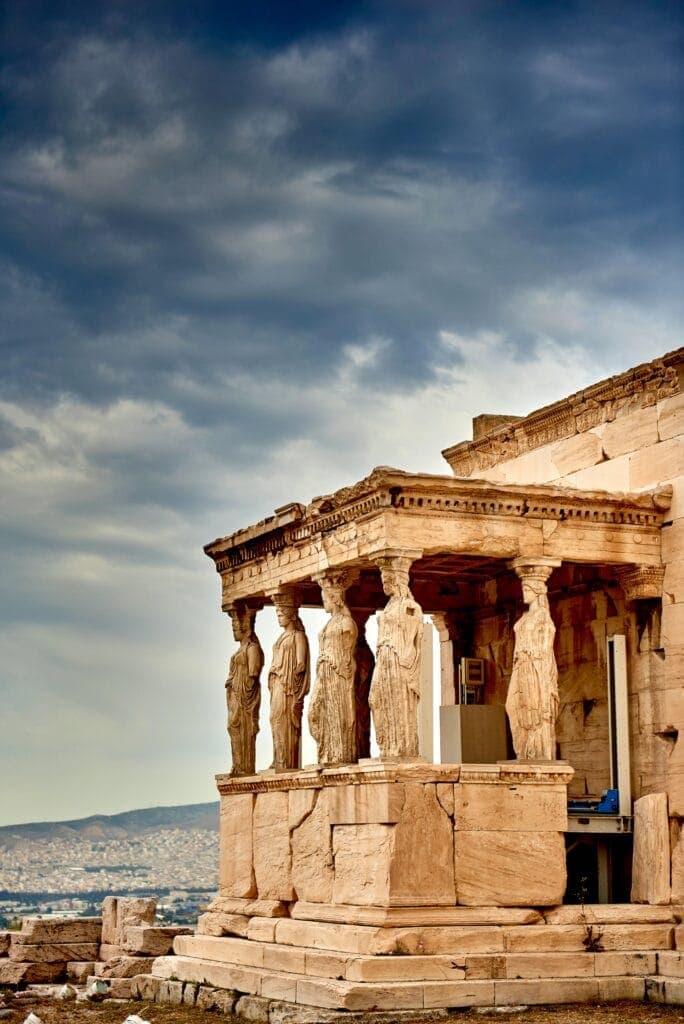
Subject
Archaeology finds out how people lived from what they left behind. These trips take students to some of the world's richest sites, from the fossil beds where early humans were found to temples, fortresses and desert cities. Students meet archaeologists, curators and conservators, learn how evidence is excavated, dated and interpreted, and see how the past is protected for the future.
On the trip
One of the richest records of human evolution in the world, where the Turkana Boy was found.
The pyramids, the Valley of the Kings and Abu Simbel, moved to save it from the Nile's rising waters.
Samarkand, Bukhara and Khiva, some of the oldest cities on the routes between East and West.
Athens, Mycenae, Olympia and Delphi: three thousand years of history in stone.
4 trips
Archaeology
Lodwar · Nariokotome · Koobi Fora
Archaeology
Cairo · Luxor · Aswan
Archaeology
Tashkent · Samarkand · Bukhara · Khiva
Archaeology
Athens · Mycenae · Olympia · Delphi
Learning outcomes
Students will be able to:

Tell us the subject, year group and rough group size. We'll come back within one working day with a trip outline and indicative costs, built around your curriculum.
Parent or student?
Keep exploring
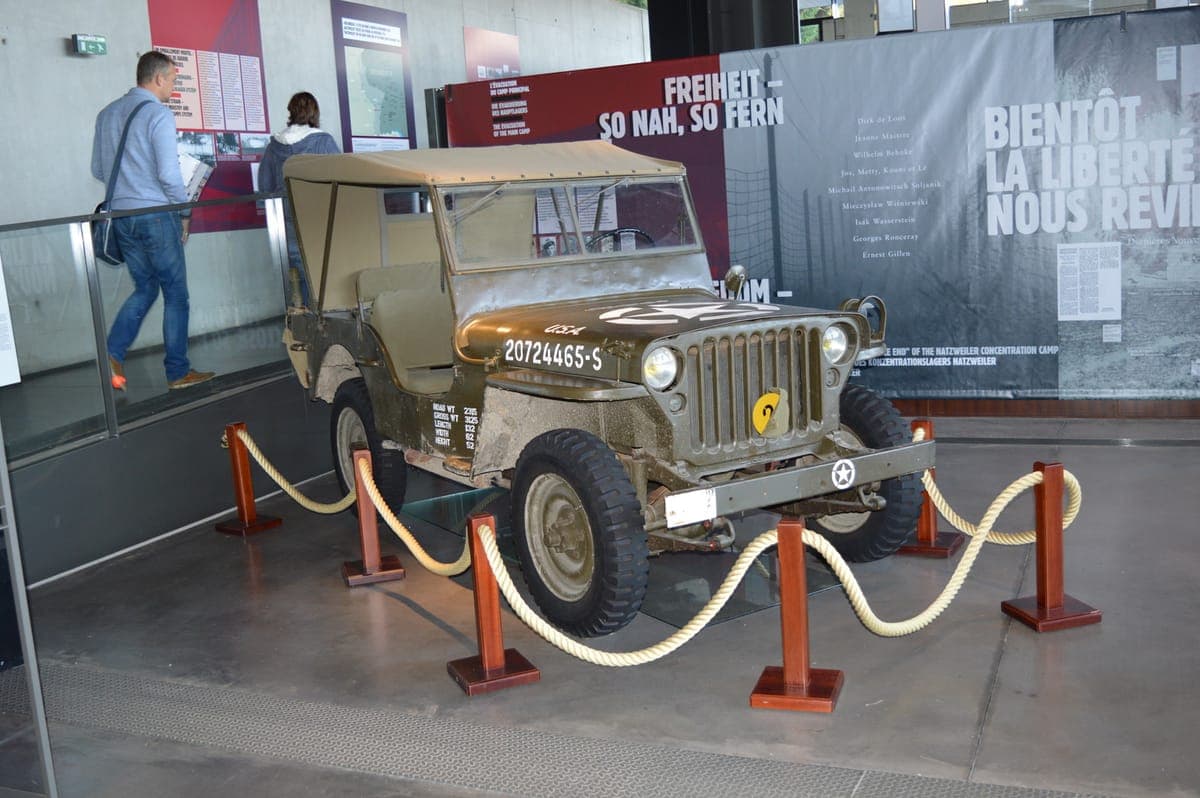
The places where events transpired, and the museums that interpret them.
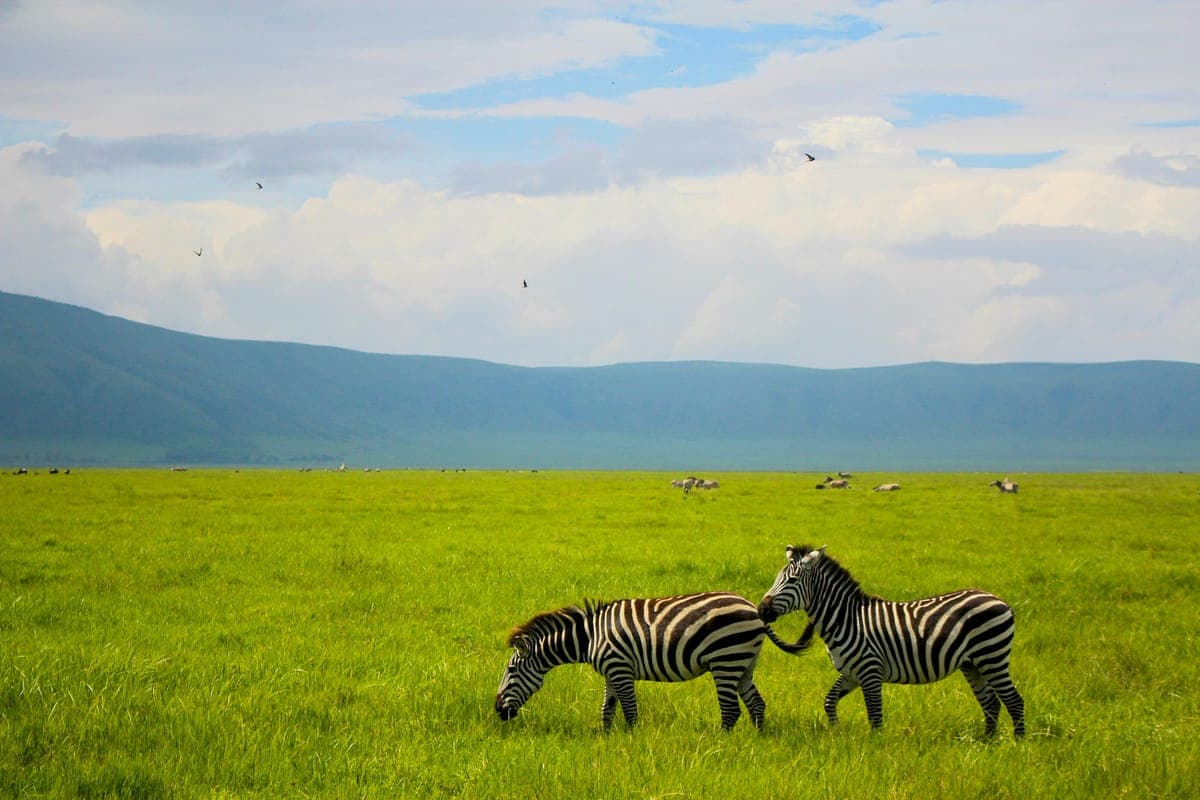
Landscapes and conservation sites where geography is studied in the field.

Societies, faiths, economies and cultures, seen from the inside in Central Asia, Scandinavia, India, China, Turkey and Japan.